


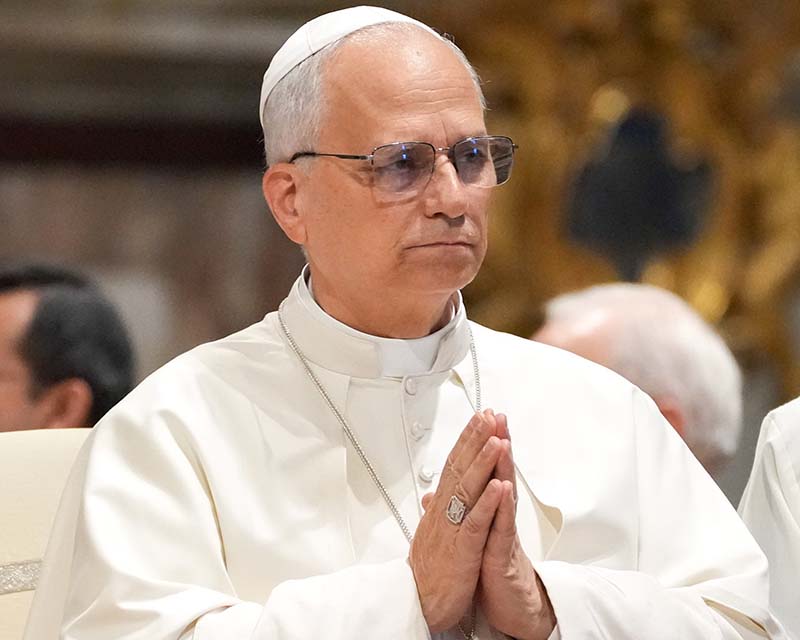
Pope Leo XIV gestures in prayer after giving his blessing at the conclusion of a service at the Basilica of St. John Lateran in Rome Sept. 19, 2025. In a video message Sept. 20 for the ALS Walk for Life in Chicago. (CNS photo/Lola Gomez)
As Cameroon prepares to receive one of the most revered spiritual figures in the world, Pope Leo XIV, the atmosphere across the nation is charged with both excitement and symbolism.
From Yaoundé to Bamenda, a visible transformation is seen. Roads are being rehabilitated and other preparations are intensifying. The airport in Bamenda has seen significant renovation prior to the visit of the Holy Father.
The government of Cameroon recently announced the creation of a website to carry official information on the visit. An official song to welcome the catholic Pontiff has also been composed with support and coordination of the government
Clear signs of a nation eager to present its best face to the Holy Father during his expected visit from April 15 to April 18, 2026.
But beyond the physical preparations lies a deeper political question, one that could define not just the visit, but a moment in Cameroon’s leadership history.
A Convergence of Faith and Power
President Paul Biya, himself a Catholic, stands at a unique crossroads.
Recent developments have added layers of significance to the timing of this papal visit. Parliament has just voted a constitutional reform bill reintroducing the position of Vice President—an institutional shift that signals a possible restructuring at the highest level of governance. At the same time, since his swearing-in, the Head of State has promised a more efficient government, with a long-anticipated cabinet reshuffle expected since November 2025.
Now, thoughts put together on promises, but questions to ask on high expectations:
Will President Biya act before April 15?
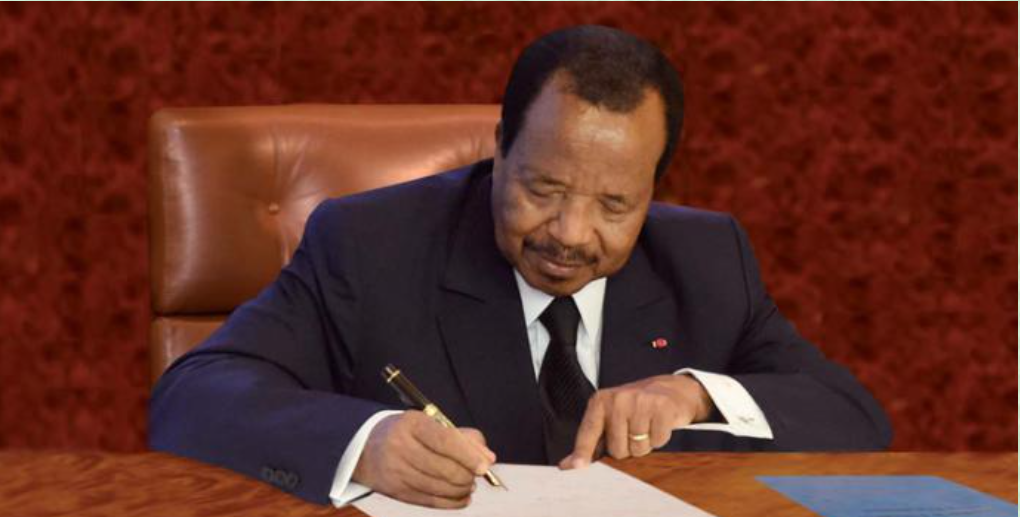
President Paul Biya of Cameroon (Source SPM)
A Rare Opportunity for Symbolic Legitimacy
Should the President move swiftly, appointing a Vice President and unveiling a new cabinet before the papal visit, he would create a rare and powerful moment in Cameroon’s political life.
A newly constituted government, presented before the Supreme Pontiff and receiving blessings from the spiritual leader of over a billion Catholics, would carry immense symbolic weight. It would project unity, renewal, and a sense of divine endorsement at a time of institutional transition.
If this be the case, it would reflect deliberate leadership, one that understands how to align governance with moments of global spiritual significance.
Or a Missed Moment?
On the other hand, if no changes are made before April 15, the Pope may arrive to meet an administration widely perceived as being on the verge of transition.
In that case, the visit, though historic may lose a layer of potential impact. The opportunity for a newly formed government to receive blessings at inception would be missed, leaving behind a lingering sense of “what could have been.”
Bamenda, the Anglophone Crisis, and a Call for Peace
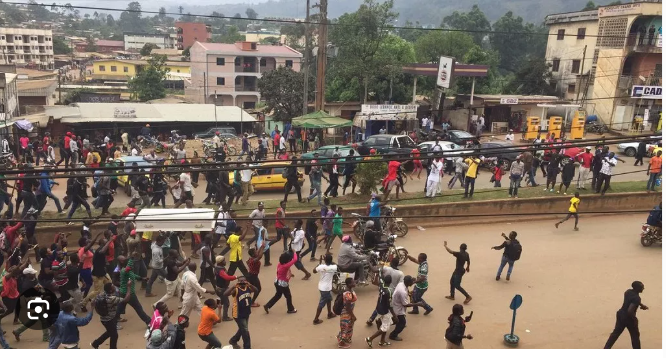
Protest in 2017 at the start of the Anglophone Crisis where the population protested against marginalisation of the English speaking citizens.
Among the most symbolic stops on the Pope’s itinerary is Bamenda, a city that has, for years, stood at the heart of the Anglophone crisis.
This is not just another stop. It is a place marked by pain, resilience, and cautious hope.
The crisis in Cameroon’s English-speaking regions has led to loss of lives, displacement of thousands, and deep social fractures. While there is a gradual return to normalcy in some urban centers, many remote areas continue to face instability and fear.
It is within this context that the visit of Pope Leo XIV takes on even deeper meaning.
A Moment for a National Reset?
Beyond institutional reforms lies a more urgent national priority: peace.
Could President Paul Biya use this moment to unveil a comprehensive peace plan for the Anglophone regions—and present it to the Holy Father for moral endorsement?
Such a move could resonate far beyond Cameroon. A peace initiative introduced under the global spotlight of a papal visit, and symbolically blessed by the Pope, could restore confidence, strengthen national dialogue, and renew hope among affected populations.
Between Spiritual Mission and Political Expectations
The Vatican has been careful to frame expectations. The Archbishop of Bamenda has emphasized that the Pope’s visit is primarily pastoral, not political—underscoring the Church’s role as a moral voice rather than a political actor.
However, remarks by Cardinal Peter Turkson introduce an important perspective. Speaking on March 14, 2026, during the 70th anniversary of St Peter and Paul Cathedral, he noted that the best gift Cameroon could offer the Pope is a concrete peace plan to resolve the crisis in the English-speaking regions.
This statement subtly shifts responsibility back to national leadership.
A Defining Gesture or a Deferred Opportunity?
If President Biya presents a peace roadmap during the papal visit, it could mark a defining moment of his leadership, aligning political will with moral authority.
If not, the visit to Bamenda may remain largely symbolic: a powerful gesture of compassion and solidarity, but without a corresponding political breakthrough.
The Nation Watches
As the countdown to April 15 continues, Cameroonians are not only observing newly paved roads and decorated streets, they are watching for leadership signals.
New tactical appoints, new commitments to resolving the conflicts and a more than ever strategic plan to make Cameroon peaceful and united is what Cameroonians maybe waiting to see.
And ultimately, it raises one defining question:
Will President Biya seize this moment or let it pass as history unfolds with him?