

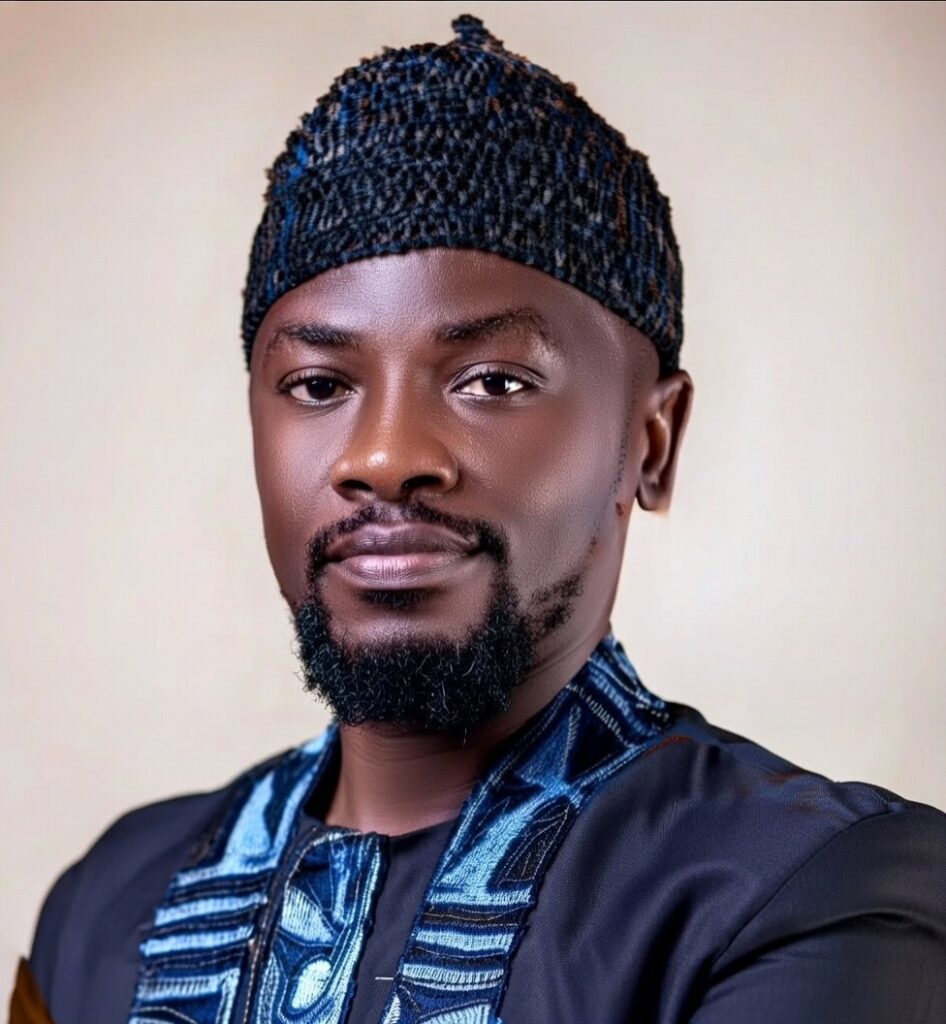
Lenjo ValeryL.- Digital Agro-Entrepreneur, Founder of LENJVAL TECHNOLOGIES
In today’s world, the first place many people go to understand others is no longer at the market square, the church courtyard, or the family sitting room. It is with the screen. Social media has quietly become humanity’s largest meeting place, a space where millions seek two powerful things: to know others, and to be known.
At its best, social media is a bridge. It allows a farmer in rural Cameroon to learn modern agricultural practices from across the continent, a young entrepreneur to study global markets, and citizens to follow events beyond the limitations of state-controlled narratives. Knowledge travels faster than ever before, flattening distance and challenging isolation. In this sense, social media feeds a genuine hunger to know, to learn, to understand, and to connect.
But the same platforms that promise knowledge also reshape how we seek recognition. To be known online often means being visible, loud, or constant. Profiles become curated exhibitions, not reflections of real lives. Success is measured in likes, shares, and followers rather than substance, integrity, or contribution. Gradually, the pursuit of being known overshadows the pursuit of knowing.
In Cameroon and much of Africa, this tension is particularly sharp. Social media has given voice to the unheard, youths, activists, artists, and rural communities. It has exposed injustices, mobilized movements, and preserved stories that would otherwise disappear. Yet it has also amplified misinformation, tribal sentiment, and shallow celebrity culture. Many now speak to be noticed, not to be understood.
The danger lies in confusing visibility with value. When attention becomes the currency, truth suffers. Algorithms reward outrage more than insight, speed more than accuracy. In the rush to be known, nuance is sacrificed. Complex issues, governance, conflict, culture, and development are reduced to slogans and insults. Knowing becomes secondary to winning arguments.
Still, social media itself is not the enemy. It reflects human desires that existed long before smartphones: the need to belong, to matter, to be seen. The question is how responsibly we use the tool. Are we consuming information critically or emotionally? Are we sharing to educate or to provoke? Are we building understanding or just building audiences?
To truly seek to know and be known on social media requires discipline. It demands curiosity over certainty, listening over shouting, and humility over performance. It means using platforms not just to display opinions, but to exchange ideas. Not just to trend, but to transform.
As a society, especially one as young and dynamic as Cameroon’s, we must decide what kind of digital culture we are cultivating. One that rewards depth, learning, and civic responsibility or one addicted to noise and fleeting fame.
In the end, being known without understanding is empty. And knowing without empathy is dangerous. Social media will continue to shape our public lives, but whether it enlightens or erodes us depends on how consciously we engage with it.
The fundamental sanctity of life is the principle that human life is inherently precious, holy, sacred and valuable. The screen may be global, but the responsibility remains deeply human.